Lisa Sternfeld on Invisible Luxury
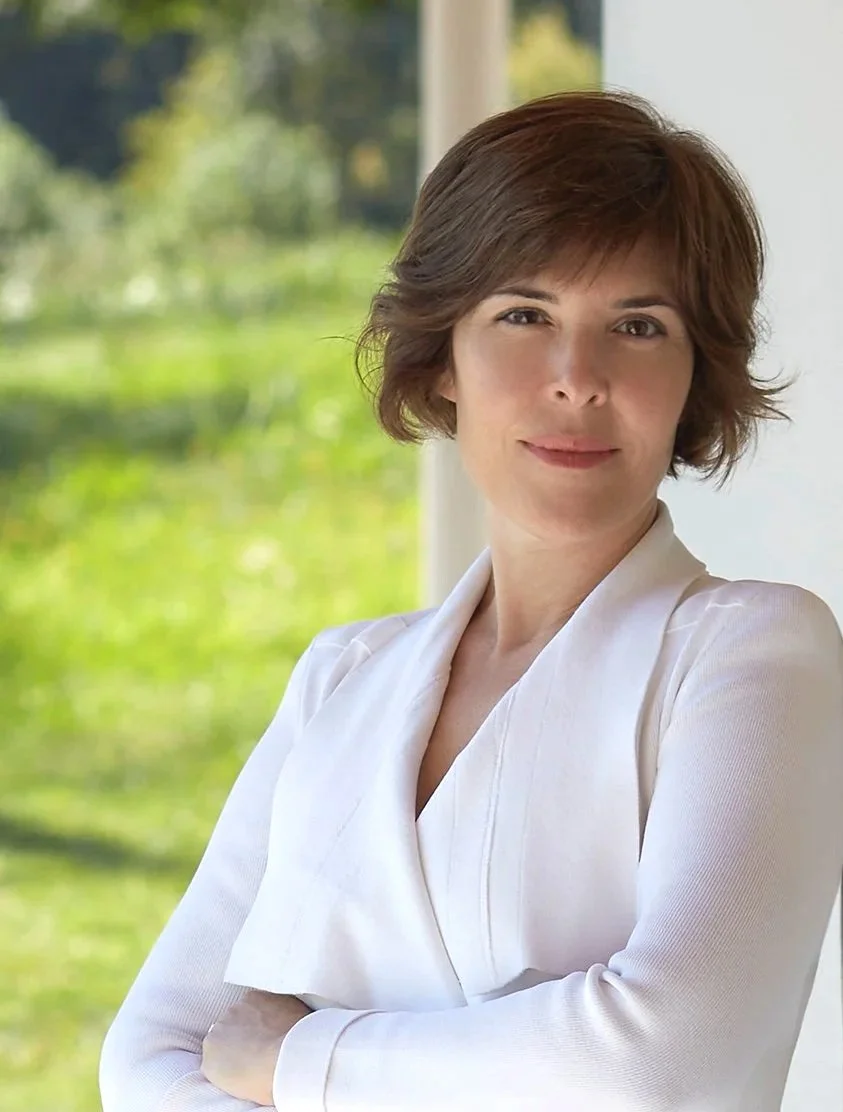
An exclusive sit-down with the founder of WLLW on the emotional catalyst behind her brand, the myth of eco-friendly materials, and why true luxury is felt, not just seen.
Lisa Sternfeld is a wellness interior designer, curator, entrepreneur and devoted mother. After years of working alongside luxury hospitality design icons like Thomas O’Brien and Adam Tihany, Lisa experienced a personal wake-up call regarding her son’s health. It transformed how she views the home and its impact our biology. That’s how WLLW – her wellness design studio and platform – was born.
Here is her story.
Part 1: The Catalyst & The Pivot
Agency Esta: You spent years working at the absolute pinnacle of luxury design with icons like Thomas O’Brien and Adam Tihany. Can you walk me through the specific moment you realized the very materials you were using to create beauty were impacting your son's health?
Lisa Sternfeld: My son was having respiratory issues we couldn’t explain. We followed every conventional path, ran every test, and nothing fully accounted for what we were seeing. During that search, I was introduced to an environmental consultant who specialized in building biology. They came and tested our home. I remember sitting with those results and realizing my understanding of everything had just been turned upside down. This was a home I had designed, built with intention and real knowledge of materials. And yet it was working against our health.
What stayed with me wasn’t only the outcome. It was what it revealed about how I had been trained to see. I had spent years understanding materials through how they looked, how they aged and how they lived within a space without considering what they were releasing into the air or how that environment was being processed by the body.
Leaving the established world of high-end design to pioneer something entirely new with WLLW in 2022 must have been daunting. What gave you the conviction that the industry was ready for 'Well Life, Lived Well'?
It felt like a shift I couldn’t move away from. Once I understood what was happening in our own home, the framework I had been working within felt incomplete. Materials, finishes, systems—I was seeing all of it differently. These were no longer just aesthetic choices. They were health decisions. It changed how I understood the home itself, as a system shaping daily life.
WLLW came out of that. It wasn’t about the industry being ready; it was that I could not work any other way. Beautiful and healthy were no longer separate considerations. They became the same thing.
“Understanding that most of what shapes a home operates quietly, out of view, and entirely outside the vocabulary of traditional design… That was the shift.”
LISA STERNFELD, WLLW
Part 2: The WLLW Philosophy & "Invisible Luxury"
You often use the term 'invisible luxury' to describe your work. How do you explain to a new, ultra-high-net-worth client that the ultimate status symbol isn't what they see, but how the room's molecular footprint makes them feel?
I usually start by asking them to think about the last time they walked into a space and felt immediately at ease, before they could even register what they were looking at. That response is real. It’s physiological. The air quality, the materials, the acoustics—the body is processing all of it before the mind has named a single element.
Invisible luxury is what produces that feeling. It’s the air that moves correctly through a space. The water that’s clean. The materials that have nothing left to release. The systems behind the walls that are doing exactly what they should.
For a client who has had access to the best of everything, this tends to resonate quickly. They’ve been in rooms that looked extraordinary and felt somehow wrong. They’ve also experienced spaces that feel quietly right without needing to explain why.
“None of it is visible. All of it is felt.”
LISA STERNFELD, WLLW
One of the most fascinating aspects of your framework is your reliance on 18th and 19th-century antiques. Can you explain why sourcing heritage pieces isn't just about aesthetics, but is actually the ultimate non-toxic design flex?
Antiques come from a moment when materials were fundamentally simpler. There were no synthetic resins, no chemical binders, no flame retardants embedded in the construction. They come from a time when materials were closer to their natural state, with far less added to them. And what you’re bringing into the room has already settled, sometimes over centuries. That’s part of what makes them beautiful.
They also carry something no new piece can replicate: the physical evidence of time. When you layer them with contemporary work, the space stops feeling assembled. It starts feeling inhabited. Rooms that contain things from different eras tend to feel more grounded and less put together all at once. Material integrity, age, and craft working together. It gives the design a depth that’s hard to replicate.
Beyond air and water quality, you talk about 'designing for the nervous system' and 'sensory calm.' What are the tangible ways you use spatial planning, acoustics, and materiality to biologically lower cortisol in a home?
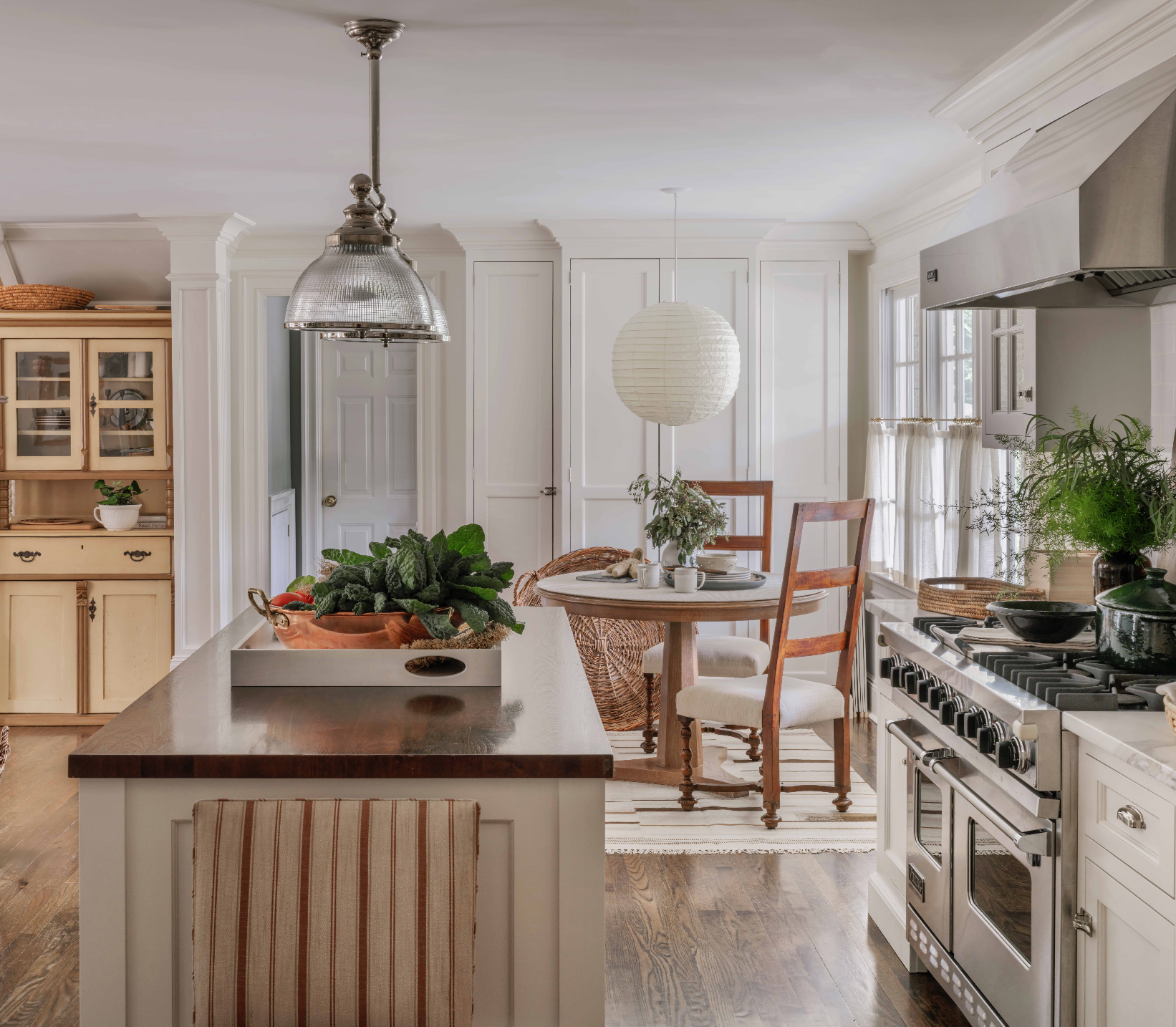
The body reads a space before the mind does. That’s the starting point. In practice, it means paying attention to what the body is responding to. Air that feels heavy or stale. Light that’s too sharp in the evening, which keeps the nervous system engaged when it should be settling. Sound that reflects off hard surfaces and prevents a room from ever feeling quiet.
Spatial planning matters as well. Rooms that don’t follow how people naturally move can create a subtle sense of effort. When the layout aligns with that movement, the space begins to feel intuitive and easy to live in. When these conditions are in balance, the room begins to feel less demanding, and the body no longer has to work against it. That shift isn’t something you see. But it is immediate and consistent.
Part 3: Industry Disruption & Challenges
The design industry is flooded with buzzwords like ‘eco-friendly’ and ‘natural.’ What is the most dangerous misconception or piece of greenwashing you constantly have to educate your clients on?
Bedding is a good example, because it’s where people feel the safest and often where they’re most exposed. A product can be marketed as natural, and the fiber may genuinely begin that way, but still pass through a series of chemical treatments before it reaches you. The fiber is natural. What was done to it often isn’t.
The words “natural” and “eco-friendly” describe intention. They don’t reflect how something has been made, and the question isn’t just what something is made from, but how it was processed and what was added along the way. It’s one of the places where you start to see how easily language replaces understanding.
When you first began building the WLLW framework, what was the absolute hardest 'clean' material or system to source without compromising your high-end aesthetic standards?
Upholstery, without question. It’s not a material, it’s a system. What we tend to notice first is on the surface: the fabric, the form, the finish. Beneath that are layers of fill, batting, adhesives, and frame construction that are just as present in the environment of the room.
What I was looking for were pieces where every layer had been considered—not a compromise between aesthetics and health, but work where both had been thought through together. That was very hard to find. The high-end market had developed extraordinary surface sophistication with less attention paid to what sat beneath it.

Part 4: The Personal Proof of Concept
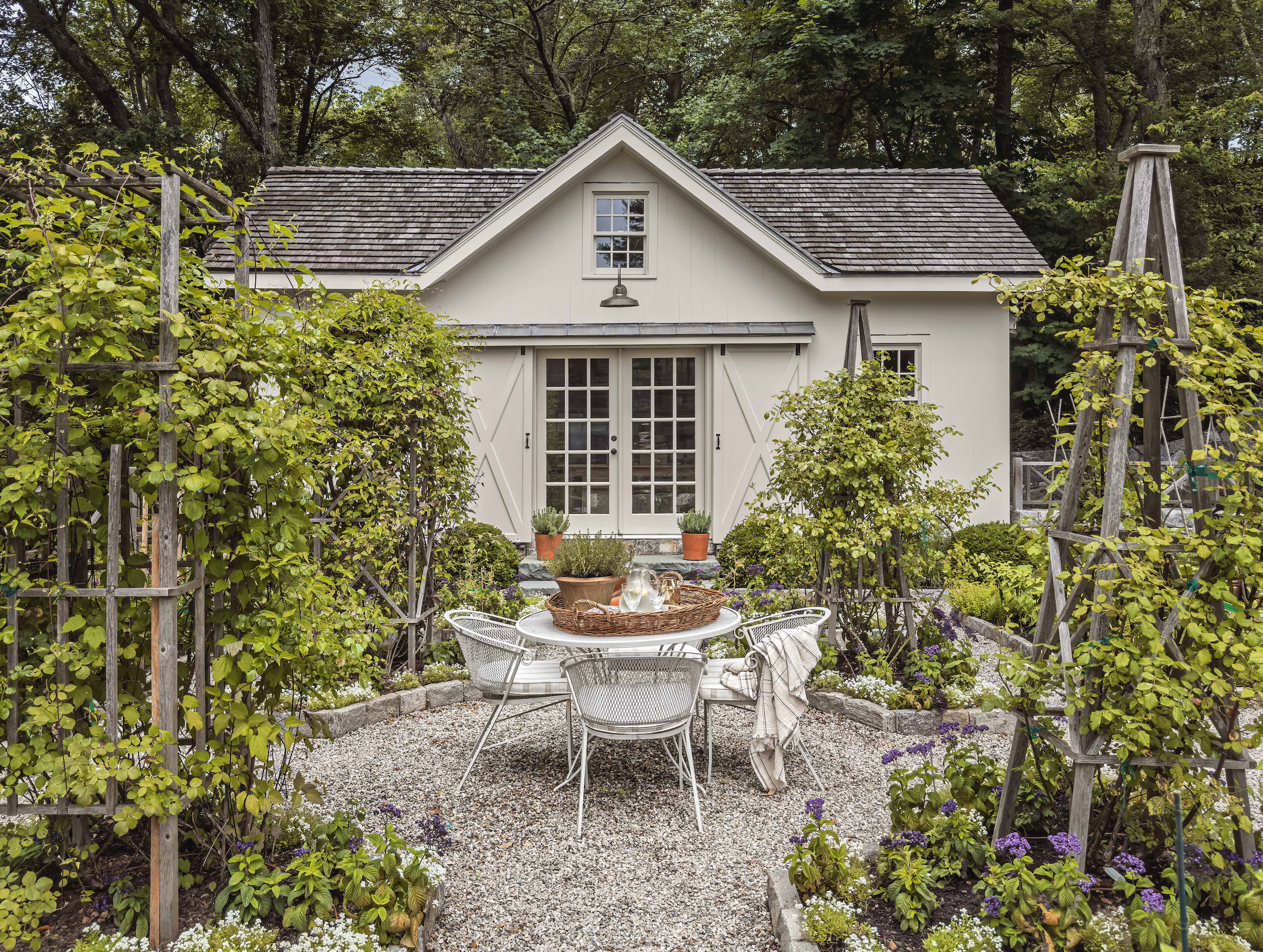
Your own home and apothecary garden in Fairfield serve as the ultimate proof of concept for WLLW. How has living in a space completely designed around these principles actively changed your family's daily rhythm?
The most immediate change came when we installed the ERV system. The air shifted, and the heaviness I had become so accustomed to was simply gone. But what has stayed with me more than any single intervention is something more foundational. Waking up knowing the air and water are clean, the materials around us have been chosen for what they bring into the environment, and the light moves through the space in a way that supports how the body operates across a day.
That awareness changes the quality of being at home. There’s a sense of ease that wasn’t there before. The garden has become part of that, as an extension of how we eat, move, and spend time together. It reinforces what became central to this work: that health at home is not one decision, but an accumulation of many small, considered ones.
If a reader can’t do a multi-million dollar gut renovation today, what is the single most impactful ’invisible’ change they can make in their bedroom tonight to start treating their home as an investment in their health?
Start with what you’re sleeping on. We spend more time in direct contact with our bedding than with almost any other material in our lives, and it’s rarely considered from a health perspective. Most people choose it based on how it looks or feels. Almost no one asks what’s in it.
Even something as simple as opening a window before bed can help reset the room, letting fresh air move through the space and the light soften as the evening sets in. But what you’re sleeping on is where the body spends the most time in contact, and it’s where the shift tends to be most meaningful. Sleep is the body’s primary recovery process, and the environment in which that happens matters. You don’t need a renovation to begin. It starts with paying closer attention to what surrounds you.

Part 5: The Legacy
As a Global Wellness Ambassador, you have a front-row seat to the $6.8 trillion wellness economy. When you look back at building WLLW a decade from now, what is the fundamental shift you hope your studio has forced the interior design industry to make?
I hope the distinction no longer needs to be made.
Right now, the environmental health of a space – the air, the water, the material chemistry – is still treated as an addition to the design brief, something a client opts into. That framing needs to change. Structural integrity isn’t optional. It’s the foundation everything else rests on. Environmental health belongs in that category too, not as a specialty or an upgrade, but as a fundamental part of what a home is and what it owes the people living in it.
What WLLW is building is as much about access and awareness as it is about design. The principles scale. They don’t require a full renovation or a certain budget. They require a different way of seeing.
“A decade from now, I hope that when someone says their home is beautifully designed, health is already implied. That it’s simply part of what good design is.”
Lisa Sternfeld, WLLW
Agency Esta’s Final Note